
Ordering and travel
Shake Shack Delivery and Ordering Guide
Delivery changes what you should order. Some items arrive close to how they left the kitchen, and a few are simply better eaten at the counter.
What the ten-minute decision means for the menu
Uber Eats and DoorDash shape what most U.S. customers see first, and their menus reward items that read clearly in a short scroll.
If most people pick an item within a few minutes, they are choosing what is easy to understand. A burger with a clear name and a familiar format wins that contest. A rib sandwich with coleslaw and pickles needs a description to make sense, which is exactly why our comparison pages exist.
The app is not the place to discover a complicated item. It is the place to confirm a decision you already made, then pick the location closest to where you will eat. DoorDash's own trend reporting for 2026 notes that many customers settle on delivery food inside a five to ten minute window, and its industry materials describe last-minute ordering as common. That short window is why item names and photos carry so much weight, and why reading a menu at home before you open the app usually gets you a better meal.
Items that travel well, and items that do not
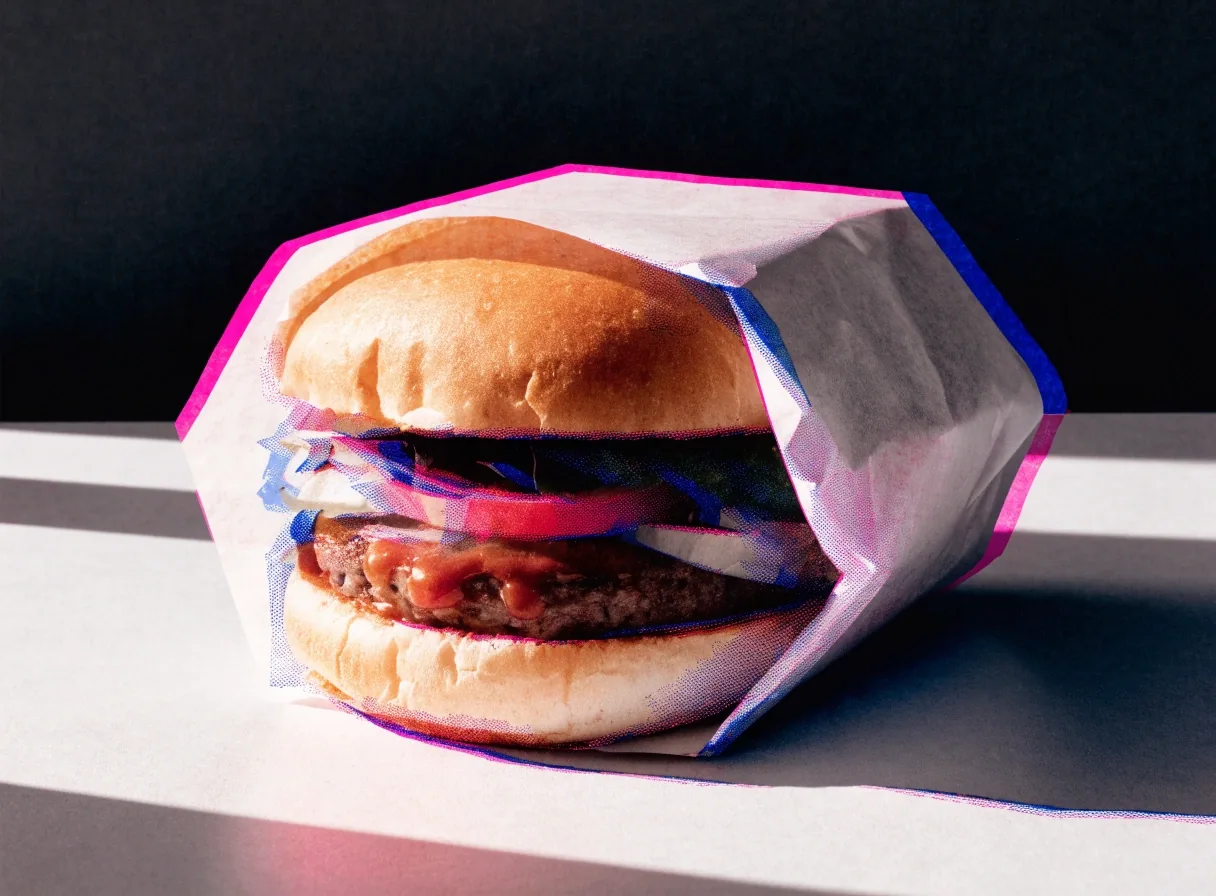
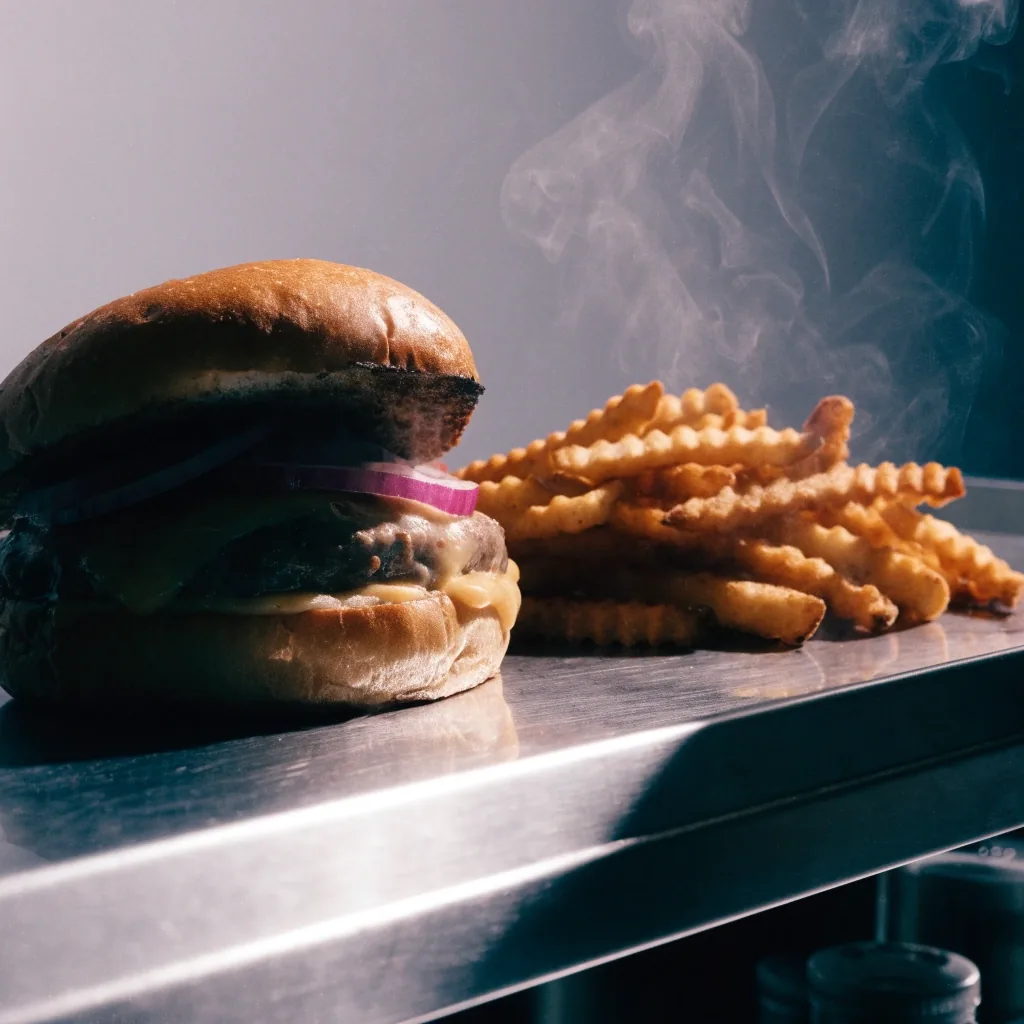
Sandwiches travel better than fries and much better than shakes. A beef burger on a potato bun holds its structure, and sauce-heavy builds actually improve slightly as the flavours settle on the ride. The Chicken Shack is a solid delivery pick for the same reason, though a very crispy crust softens in a closed container. If you want one reliable order, a burger and a side is the safe combination.
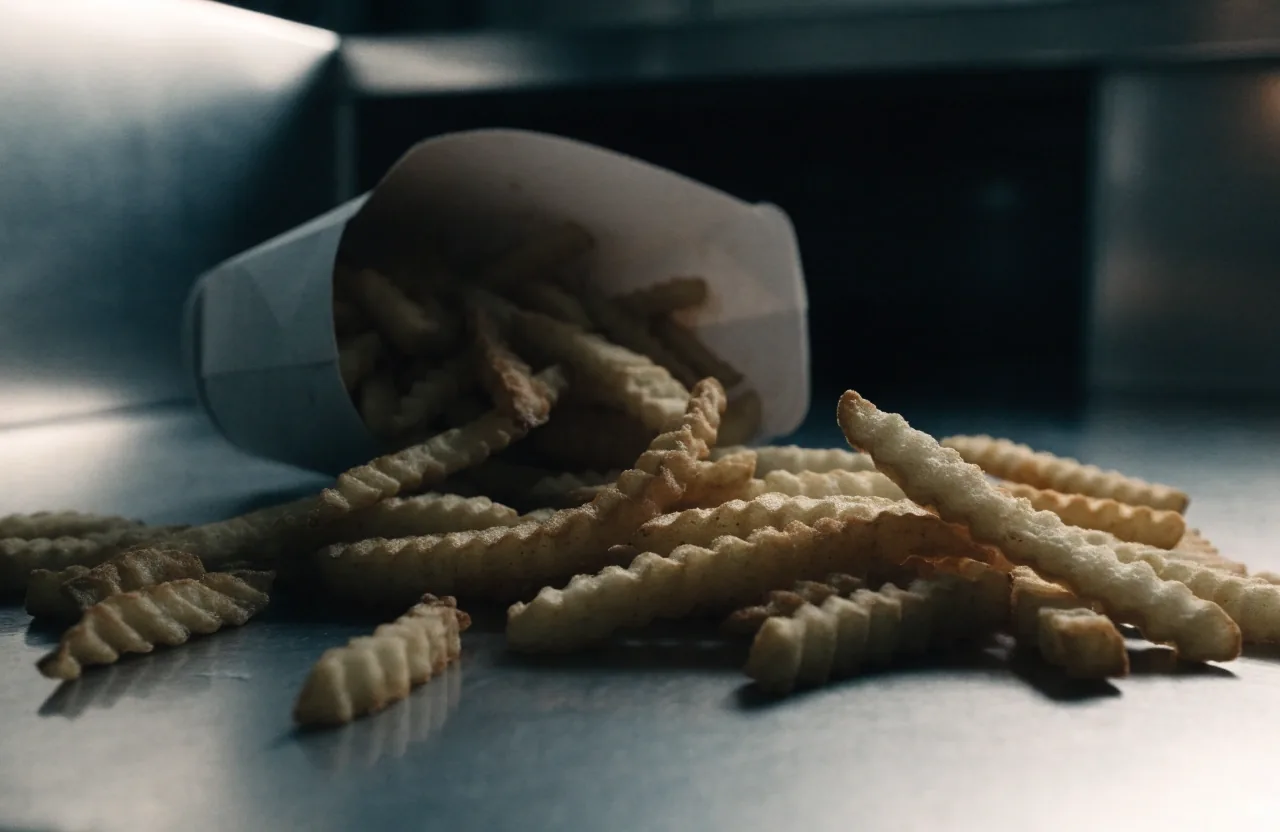
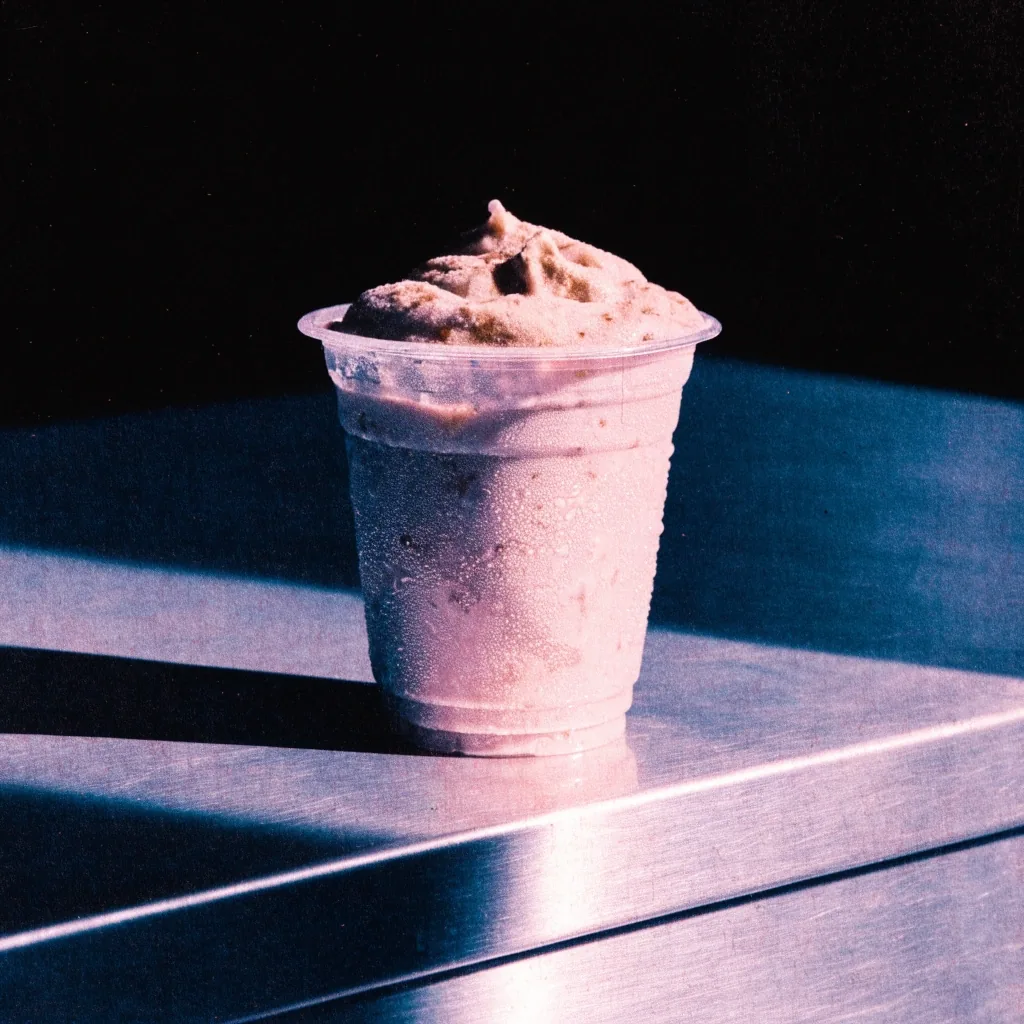
Crinkle-cut fries are the clearest case against delivery. They are at their best within a couple of minutes of the fryer and lose their edge quickly in a bag. Shakes are the second case: frozen custard texture changes as it warms, and a Key Lime Pie Shake ordered through an app is a different experience from one handed to you at the counter. Neither is bad. Both are better eaten where they were made.
How the four judgement calls actually go
Every delivery order asks the same four questions in the same order. The answers below are the ones we use when a bag lands on the table.
Ordering for speed
Pick the location closest to the address, order late if you are hungry, and accept that a shorter dispatch window matters more than a bigger menu. Speed is the right goal when the item is not temperature-sensitive.
Ordering for freshness
Freshness matters when the item is temperature-sensitive. If you are ordering fries or a shake, choose the closest location and eat immediately. If you want the item exactly as intended, the counter is the answer, and no app setting changes that.
Packaging and the trip
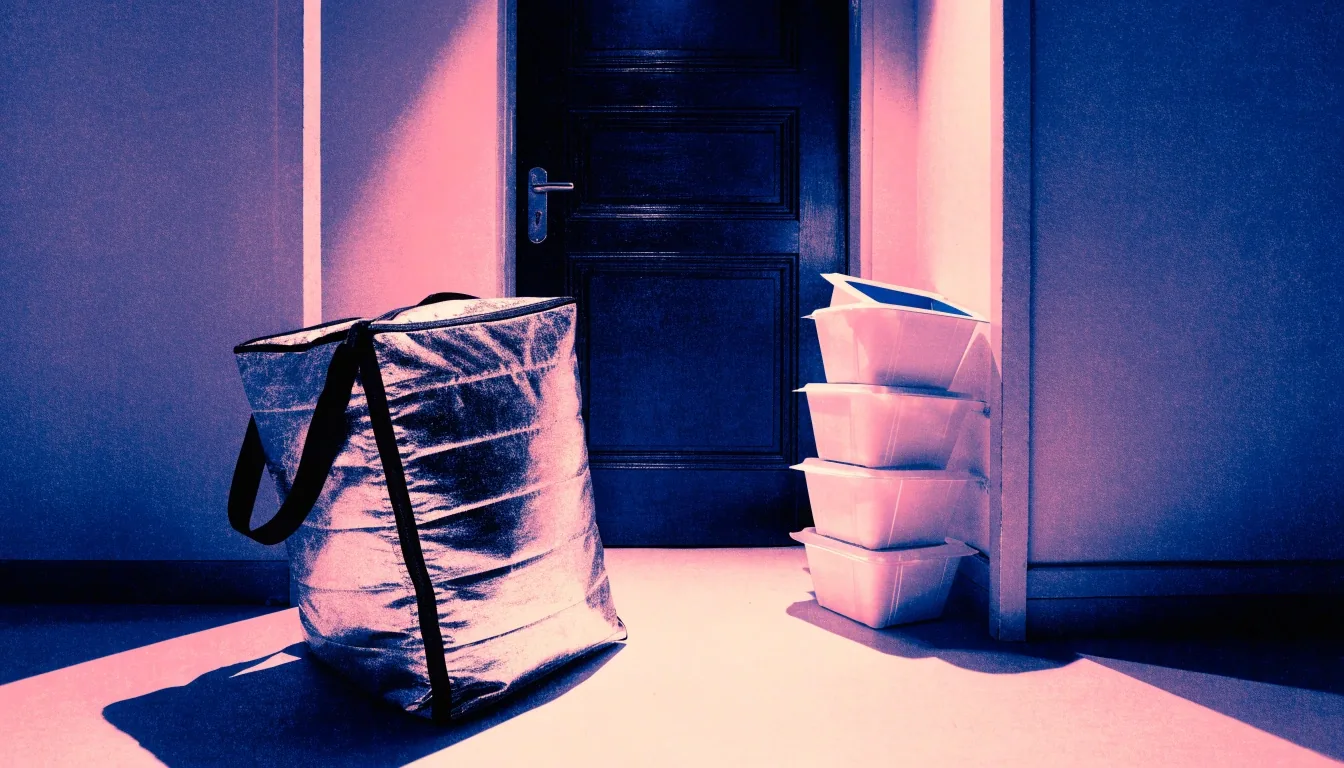
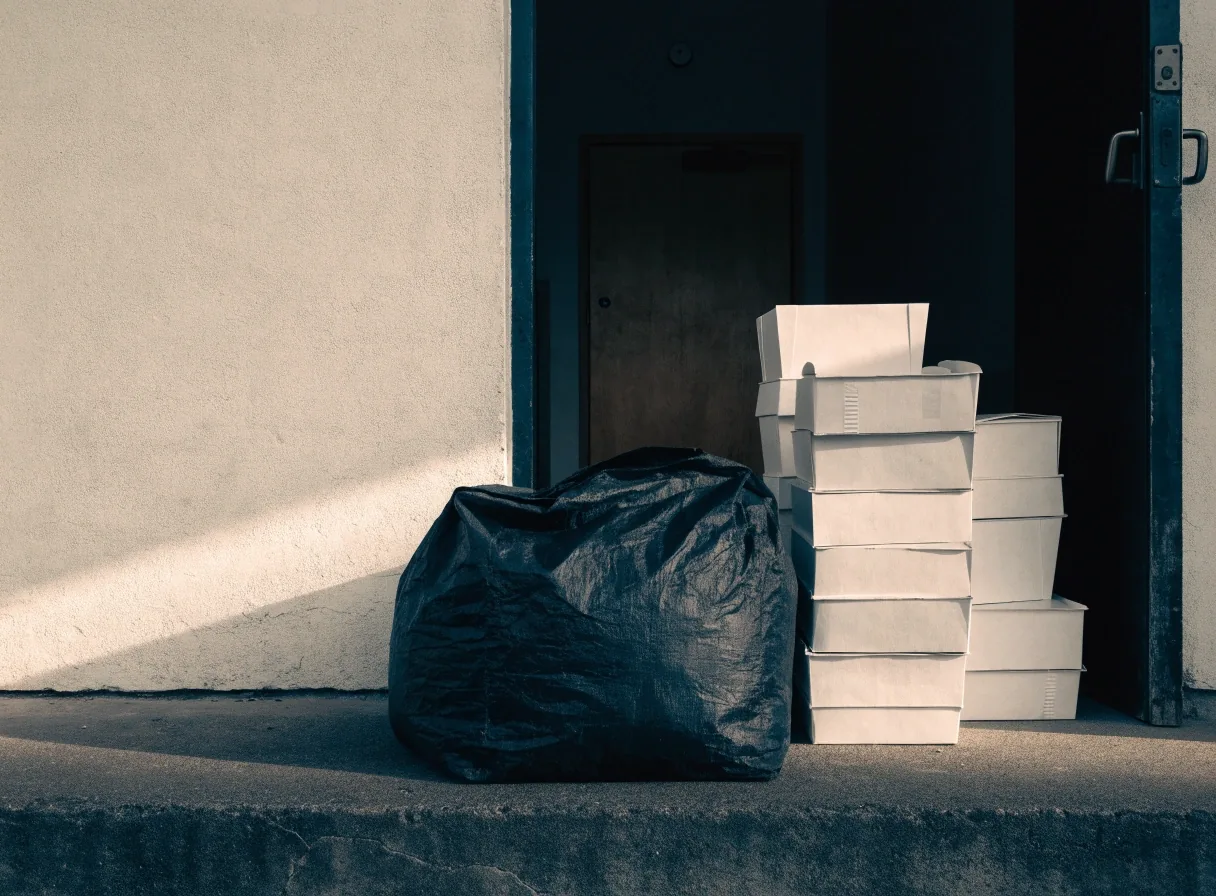
Delivery packaging traps steam, which is what softens a crust and turns fries limp. There is no way around this from the customer side, but you can work with it: order items that benefit from being warm and slightly softened, and eat as soon as the bag arrives rather than finishing something else first.
Reading the app menu accurately
App menus sometimes show limited-time items that have already sold out at your location, and they sometimes miss items that exist in store. If a seasonal item is the reason you are ordering, call the restaurant before you build the whole order around it.
What survives the bag, item by item
A quick read on how each order lands when it reaches the door, so you can choose before you tap.
Eat immediately
Crinkle-cut fries
They are at their best within a couple of minutes of the fryer. In a closed bag the steam does the damage fast, so this is the one order where the trip costs you most.
Best at the counter
Shakes and frozen custard
Custard texture changes as it warms. The drink is still cold when it arrives, but it is no longer the same pour the counter hands you.
Travels well
Burgers on a potato bun
The bun holds, the sauce settles into the patty, and a build that is slightly softer on arrival still reads as the item you ordered.
Travels well, softened
The Chicken Shack
A crisp crust softens in a closed container, which most people accept. The sandwich itself stays intact and the pickles keep it from tasting flat.
Less forgiving
Lettuce-wrapped burgers
Without a bun to absorb sauce, the lettuce wilts and the filling can slide. It still works, but order it to eat right away rather than holding it.
When to skip delivery entirely
If you want a shake, fries at their best, or a seasonal item at the temperature it was designed for, go in. Delivery is the right tool for a burger you want to eat at your desk or on your couch. It is the wrong tool for the two or three most temperature-sensitive items on the menu, and pretending otherwise just leads to disappointing meals.
The same logic applies to limited-time items. A seasonal drop is worth the trip, and the app listing rarely tells you whether your location still has it.
See seasonal dropsQuestions that come up before you tap order
Which app should I use, Uber Eats or DoorDash?
Both carry the menu, and both shape what you see first with photos and item names. The practical difference for a single order is usually the location each app is dispatching from and the delivery window it quotes. Check the quoted arrival time, then check which store it is sending the order to. Uber Eats and DoorDash listings for the same item occasionally pull from a different kitchen than the one you assumed.
Why do app menus miss items that exist in store?
Delivery listings are maintained per location and they lag. A seasonal item can be live on the app after the store has sold out, and an in-store item can be missing from the app entirely. If a specific drop is the reason you are ordering, a quick call to the restaurant before you build the order saves the disappointment. We treat every seasonal item as temporary, and the apps do the same.
Can I get a shake delivered without it ruining the texture?
You can, and the result varies with the distance. Frozen custard is thick and heavy, so it moves slowly as it warms; a short trip keeps most of the texture and a long one does not. If a shake is the point of the order, pick the closest available location and drink it as soon as the bag arrives rather than setting it down.
Does ordering a wrap or a lighter build change how it arrives?
Lettuce-wrapped burgers travel differently from bunned burgers. Without a potato bun to absorb sauce, the lettuce can wilt and the filling can slide. It still works, but it is less forgiving than a standard build. If a lighter order is the goal, order it to eat right away rather than holding it for later.
Read the menu before you open the app
One pass through the menu guide tells you which items survive a bag, and the comparison pages show what you are actually choosing between. That five minutes at home usually decides the order better than five minutes in the app.
Flomzu Delivery writes about ordering and travel, not about running a kitchen. Reach the desk at info@flomzu.delivery or by phone at +18082591196, Monday to Friday, 9:00 AM to 6:00 PM.
1615 E Howell St, Seattle, WA 98122, USA